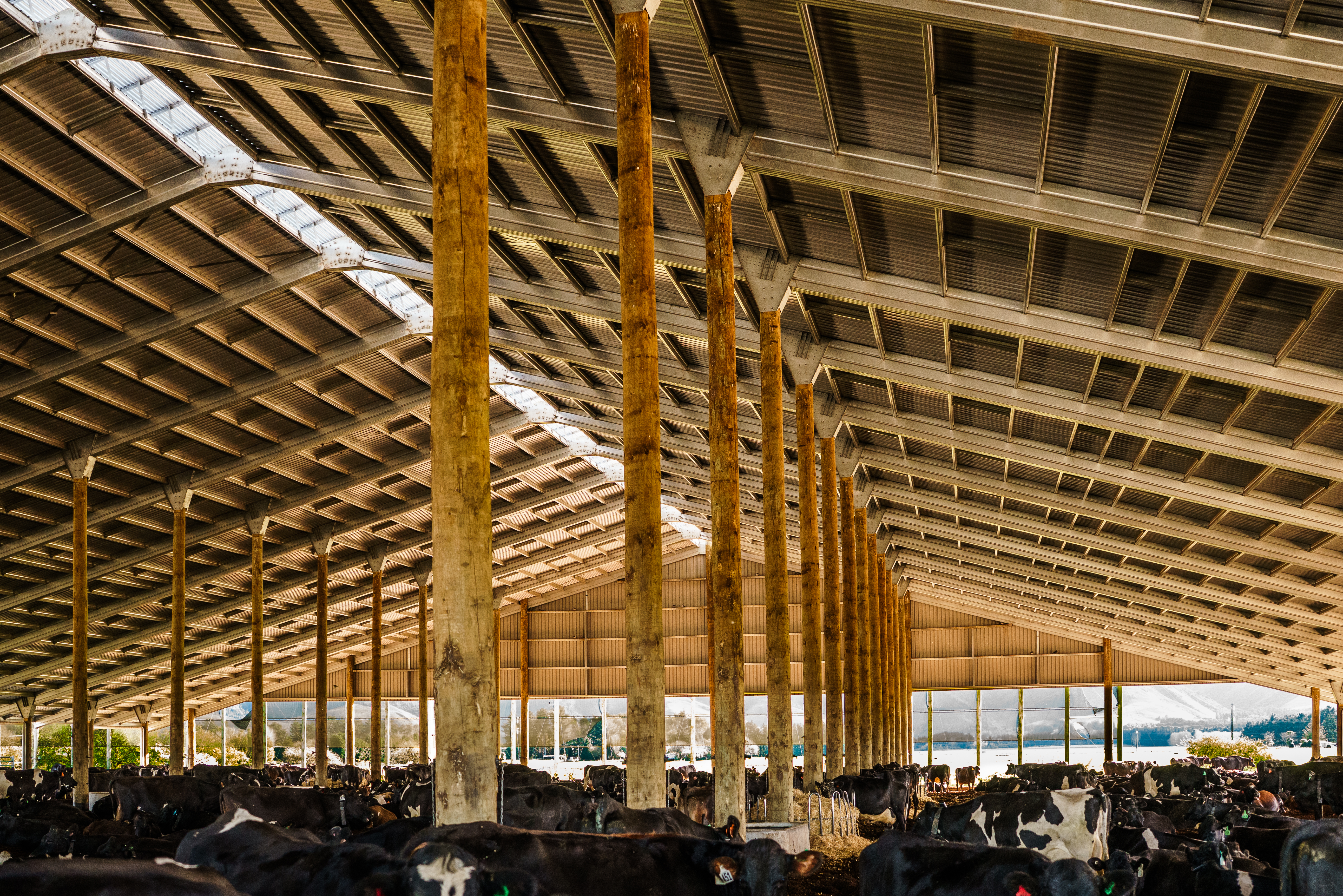
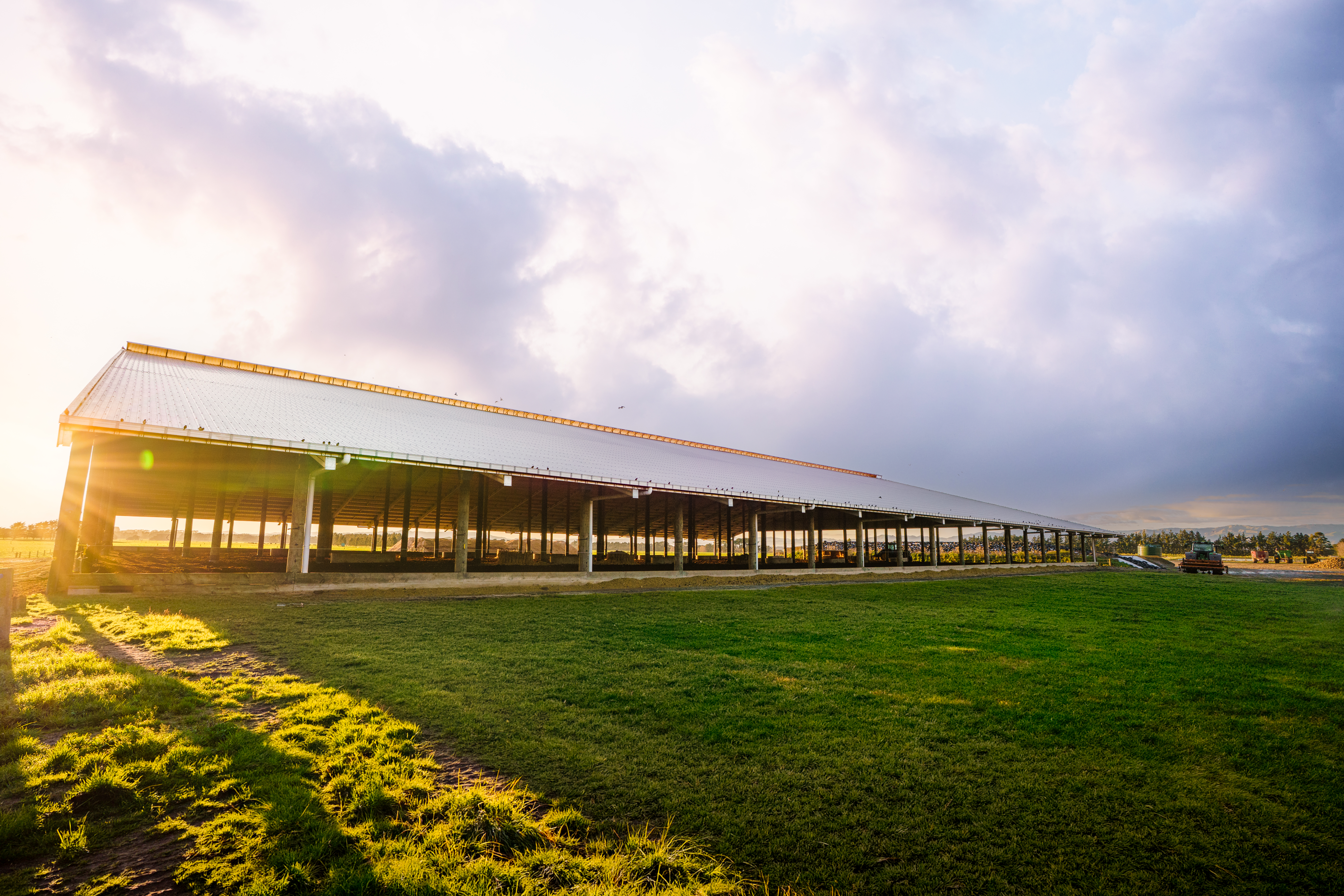
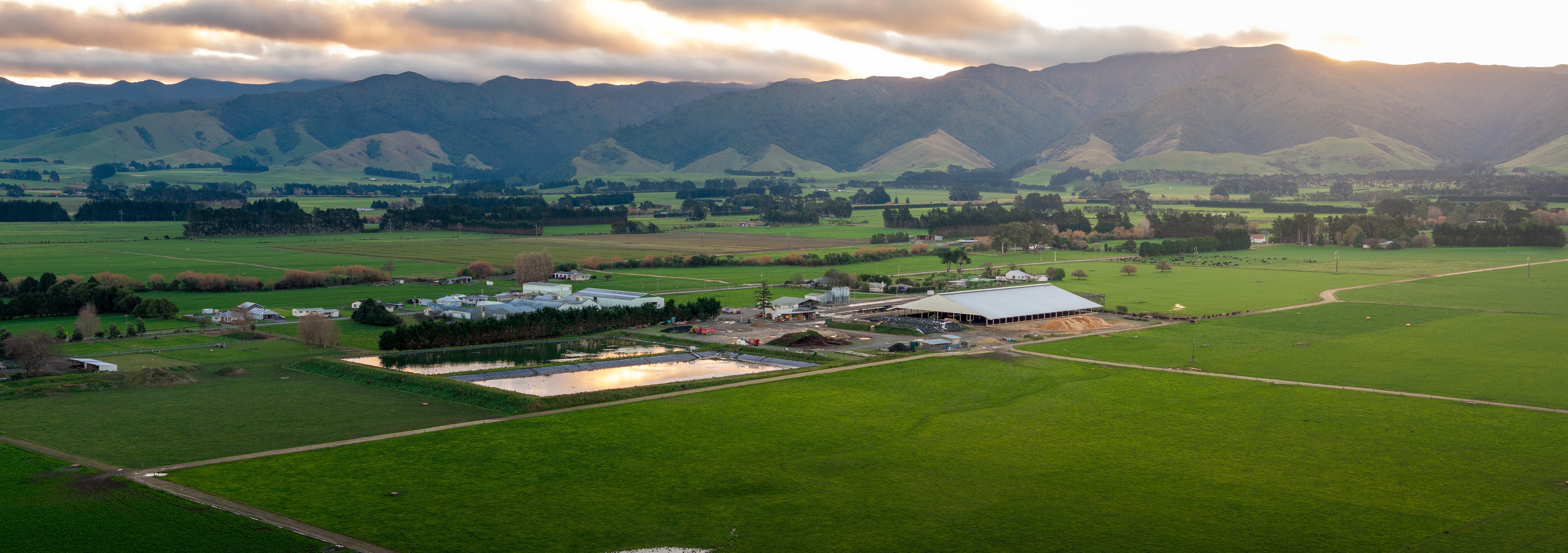
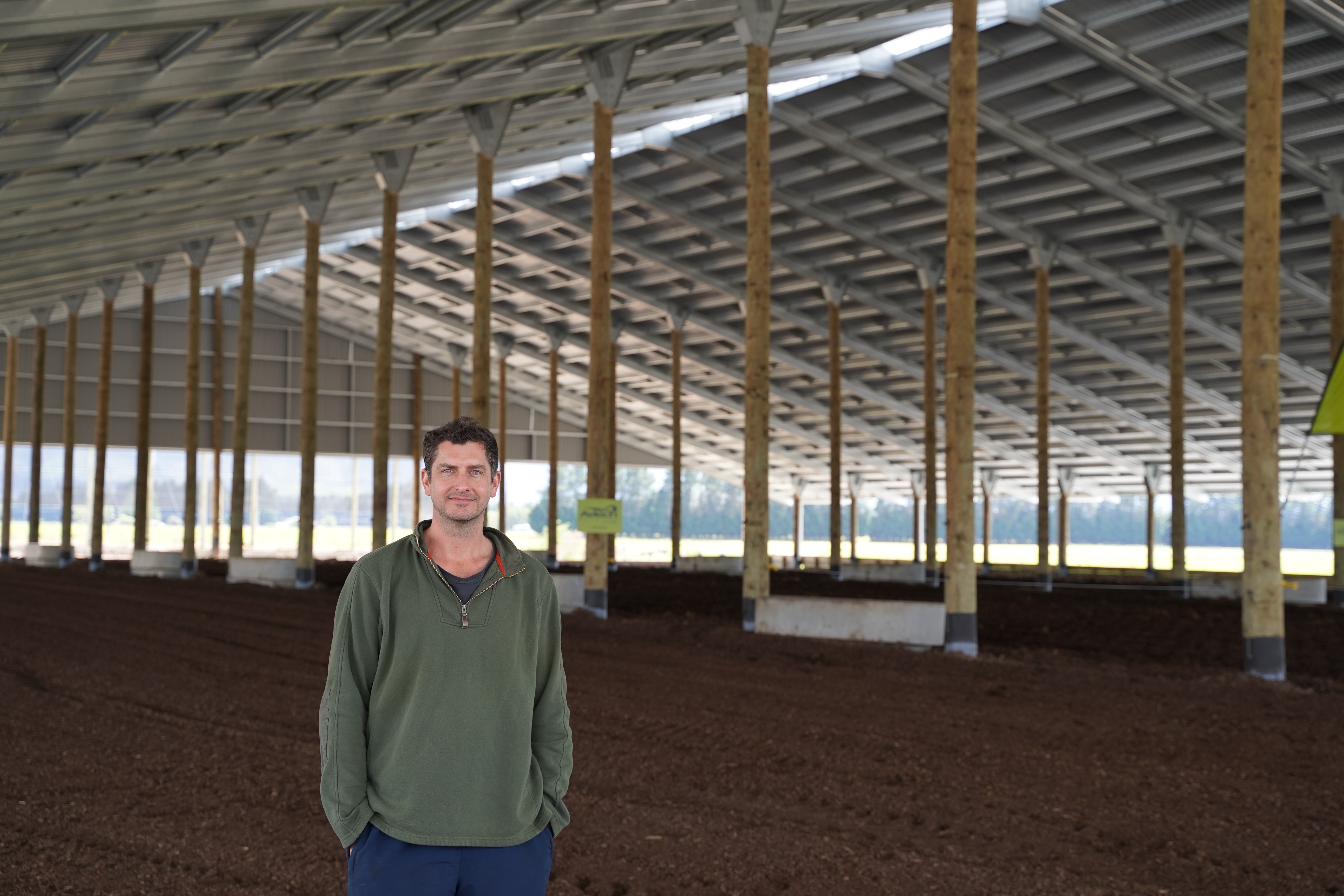
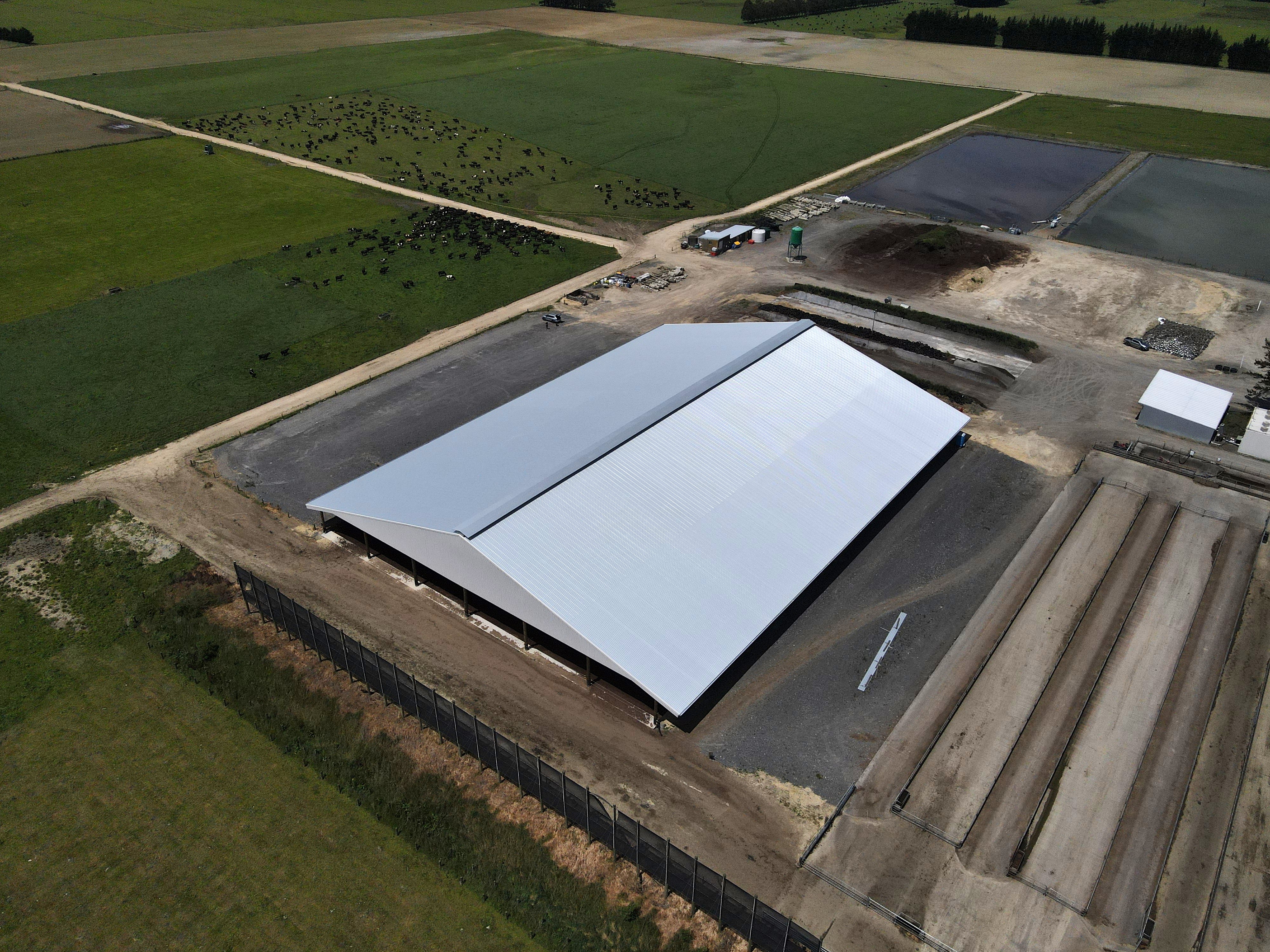
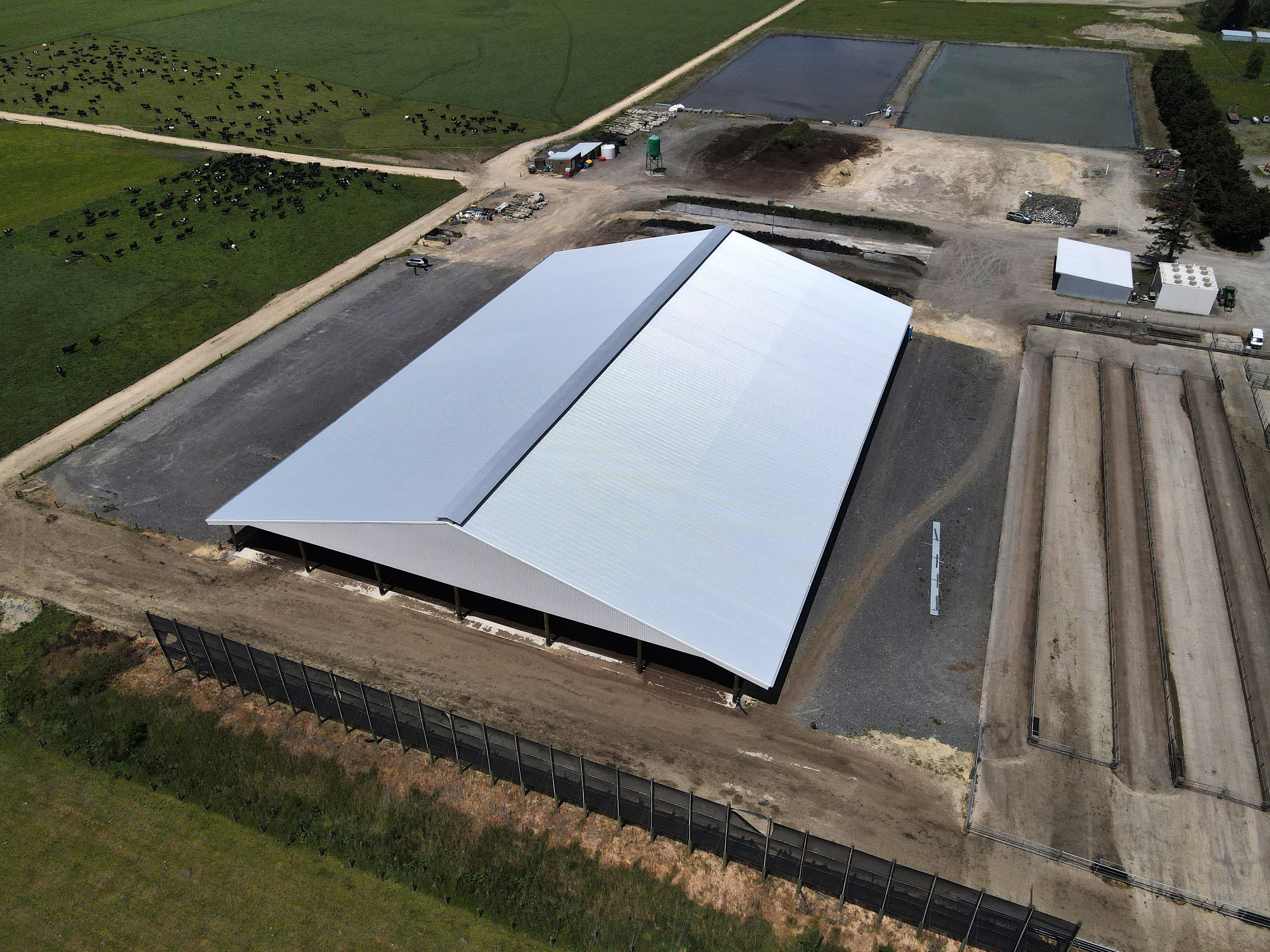
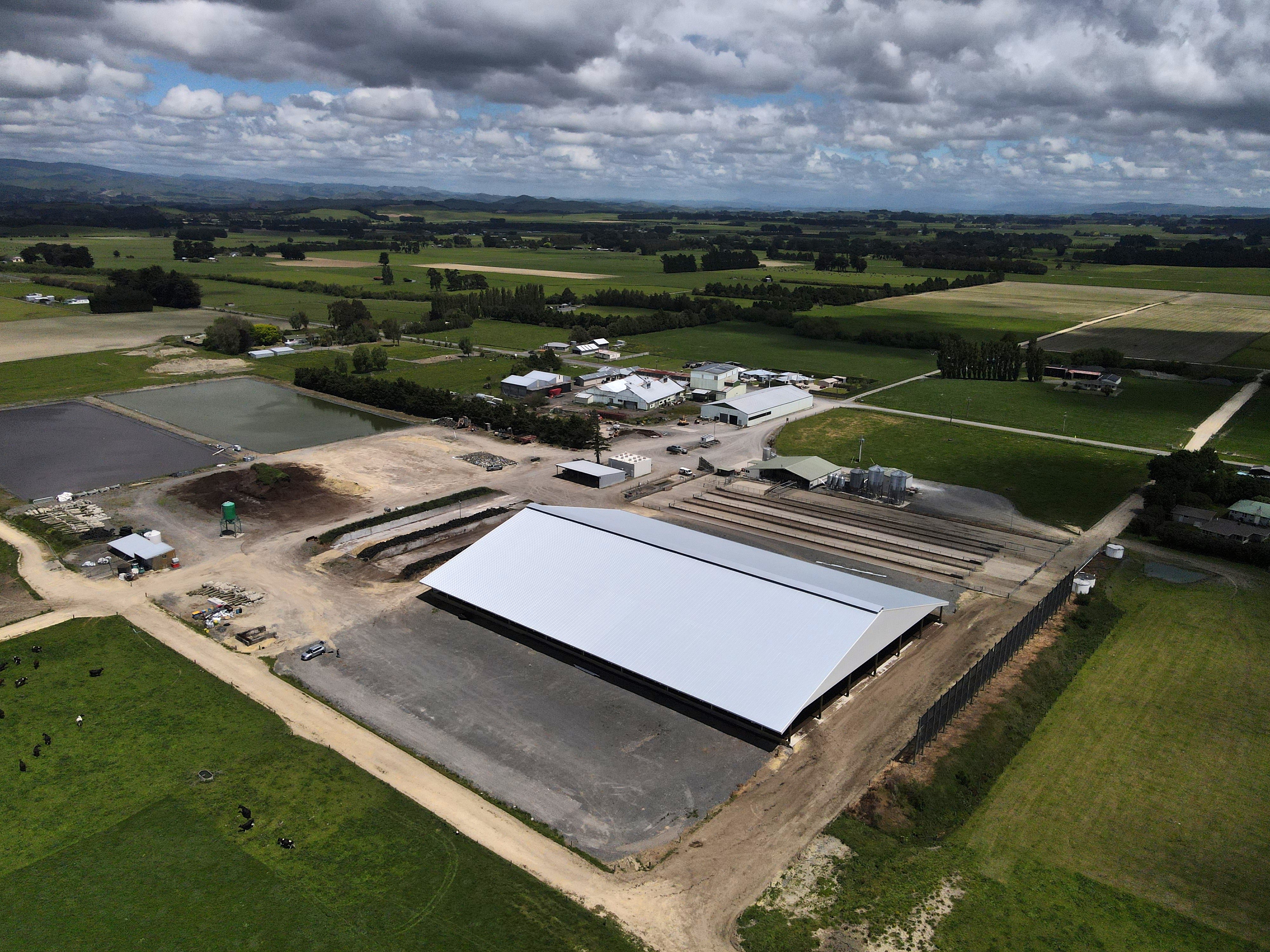
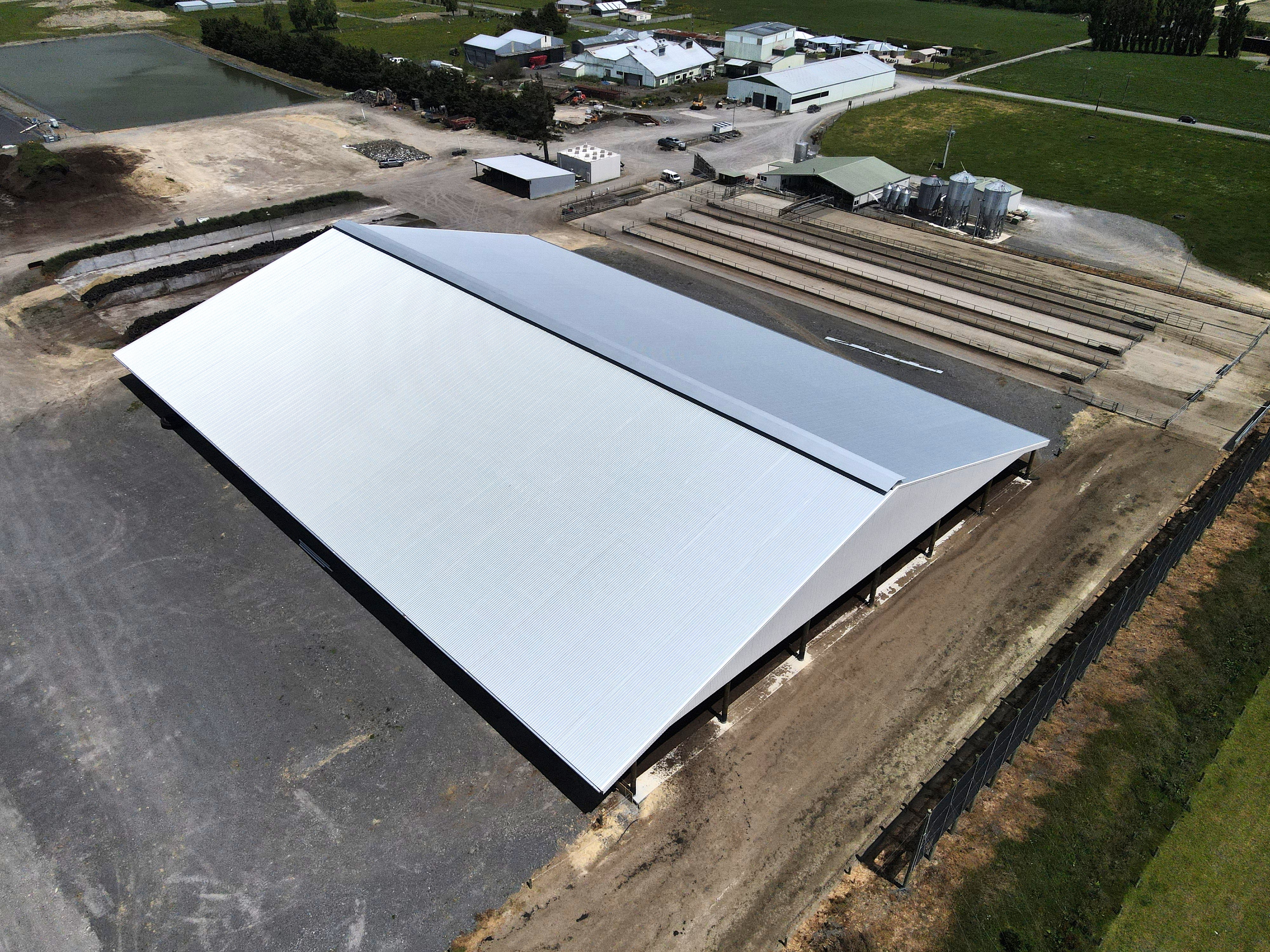
Waka Dairies - Composting Barn
Location: Dannevirke, Manawatū-Whanganui NZ
BUILDING DETAILS
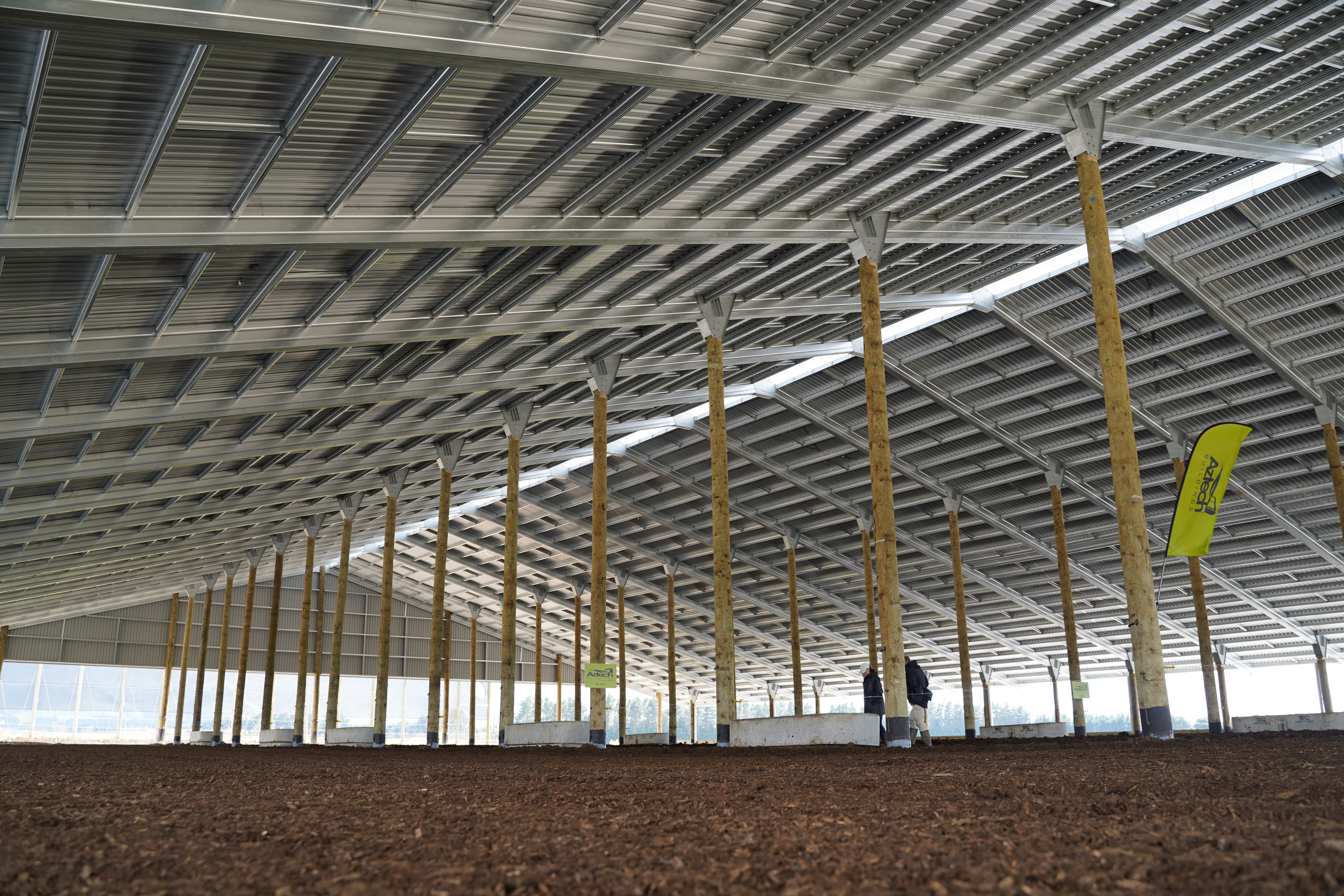
Size: 90m long x 60m Wide
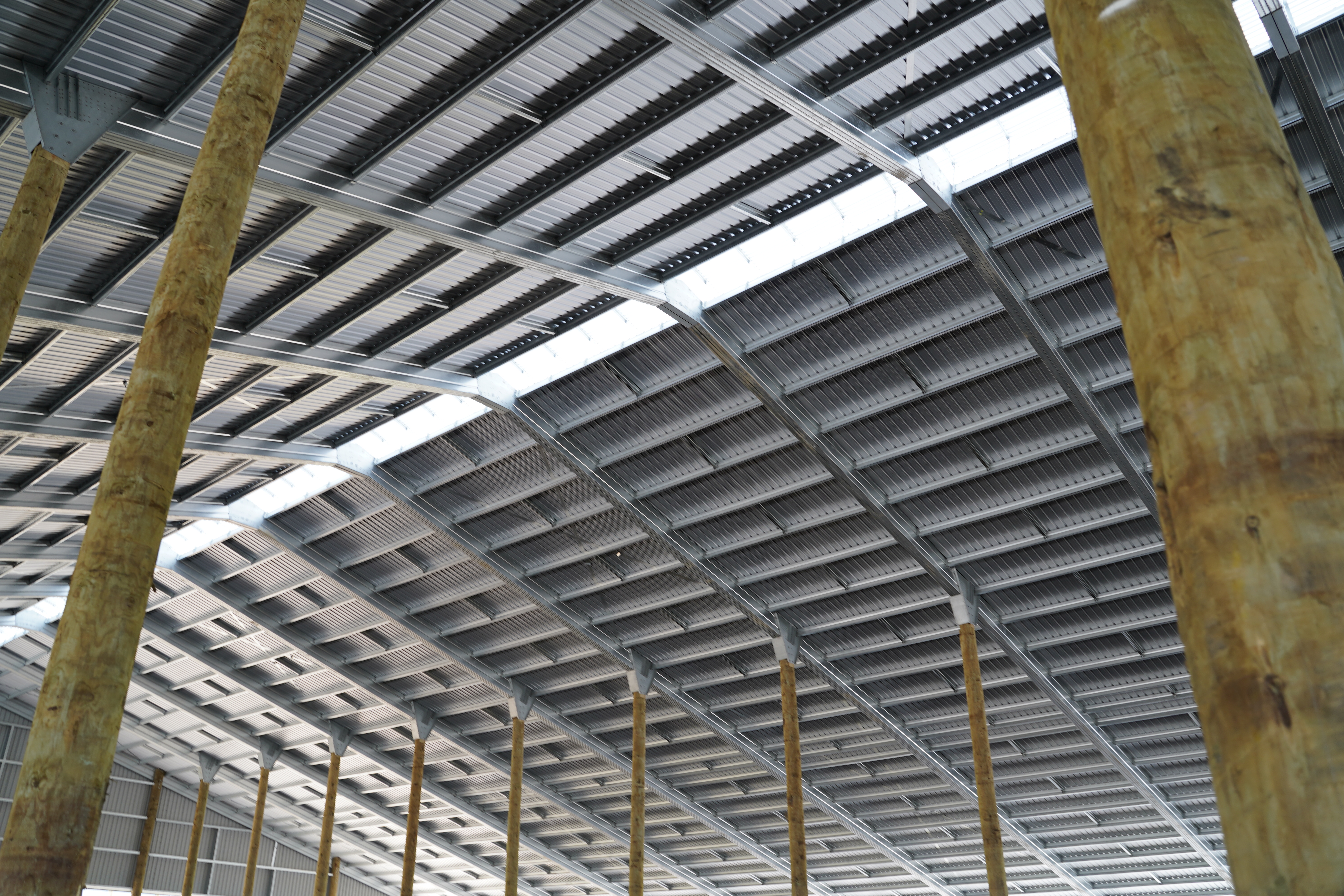
Style: Gable
System: Stratos
When wet weather arrived at Waka Dairies, it affected almost every part of the farming operation.
Cows and calves were exposed to rain and mud, paddocks came under pressure, and everyday jobs such as shifting fences and managing calves became harder for the entire team.
The Dannevirke farming operation needed a reliable way to winter and calve animals under cover, protect valuable pasture and create greater control across the farm system.
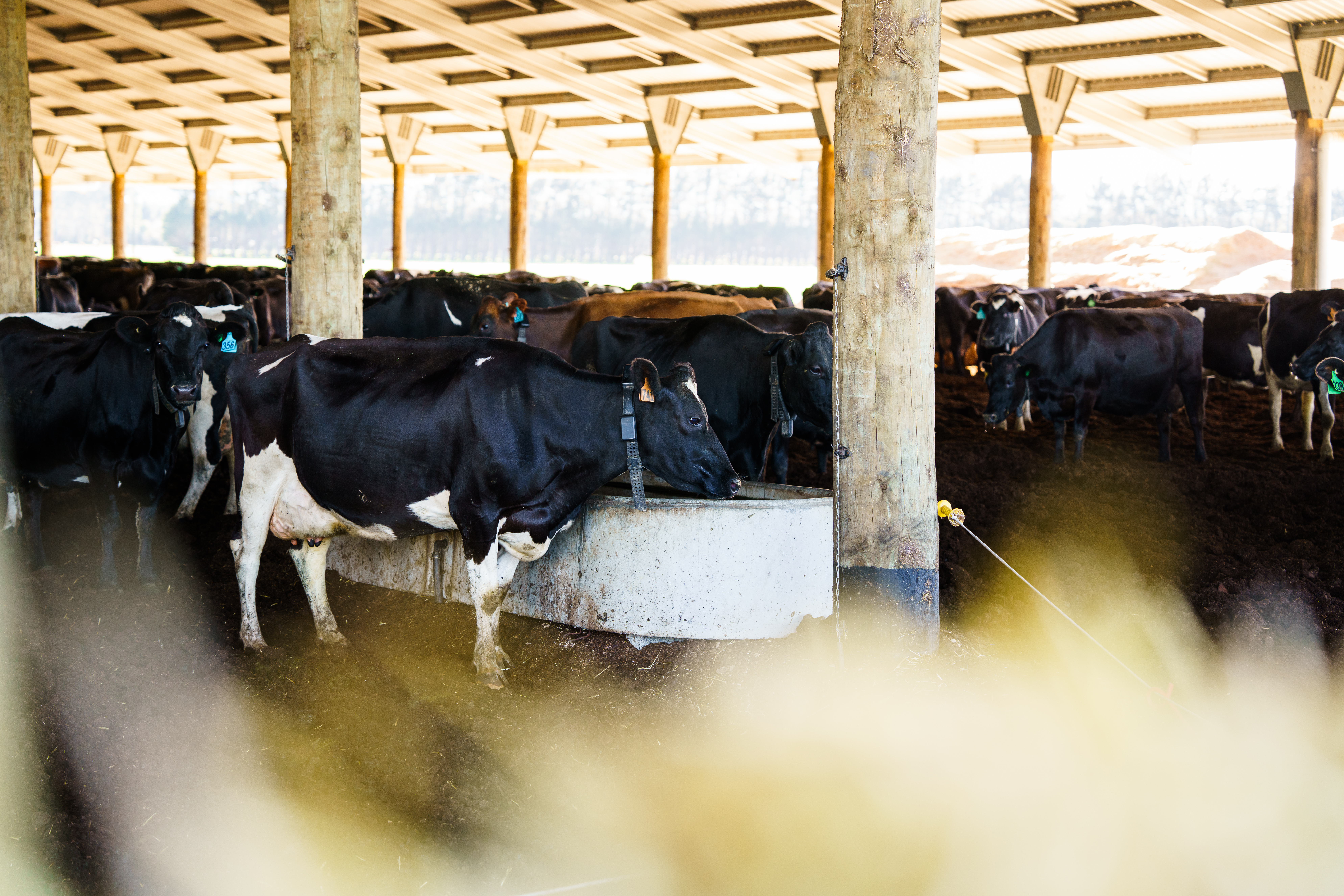
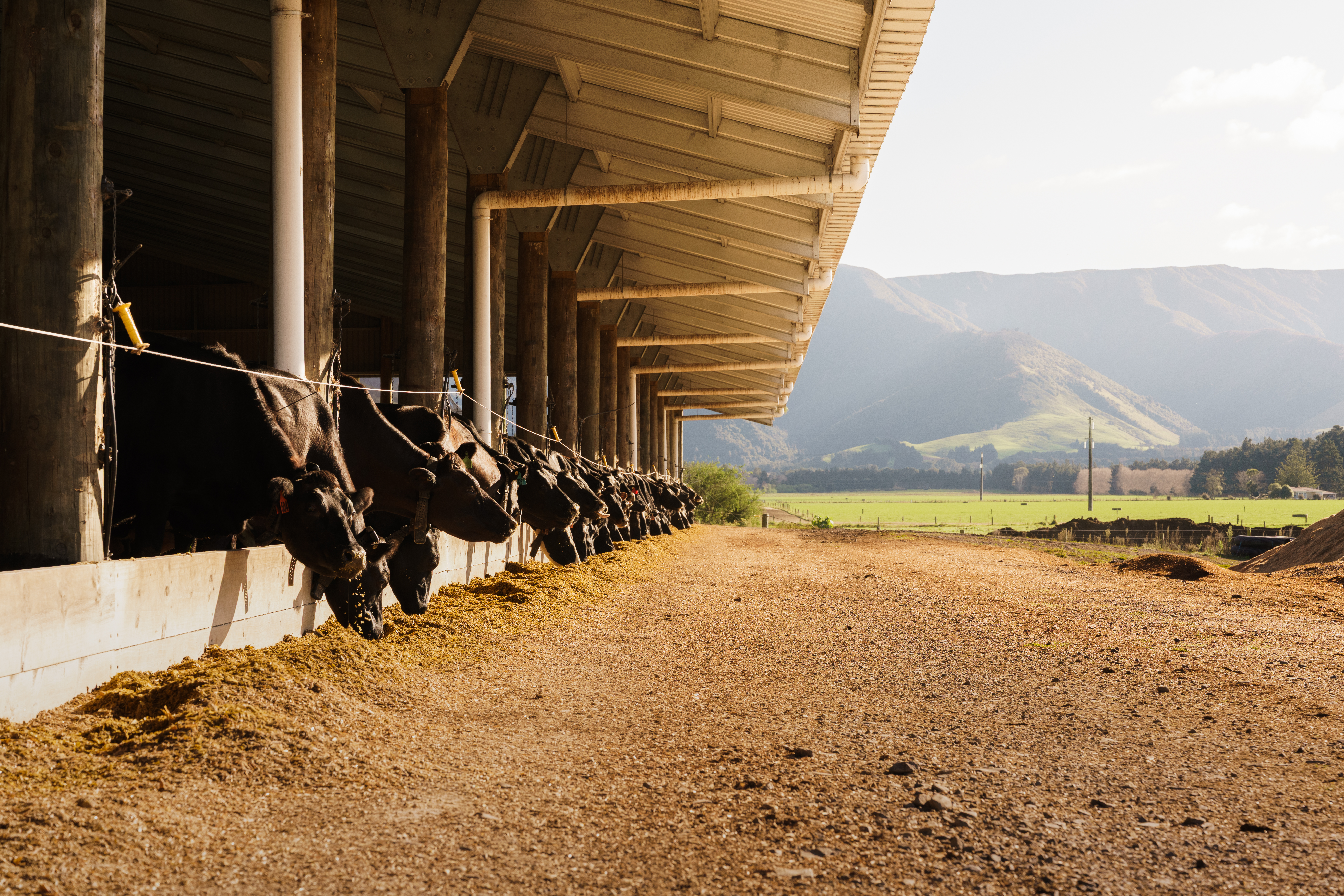
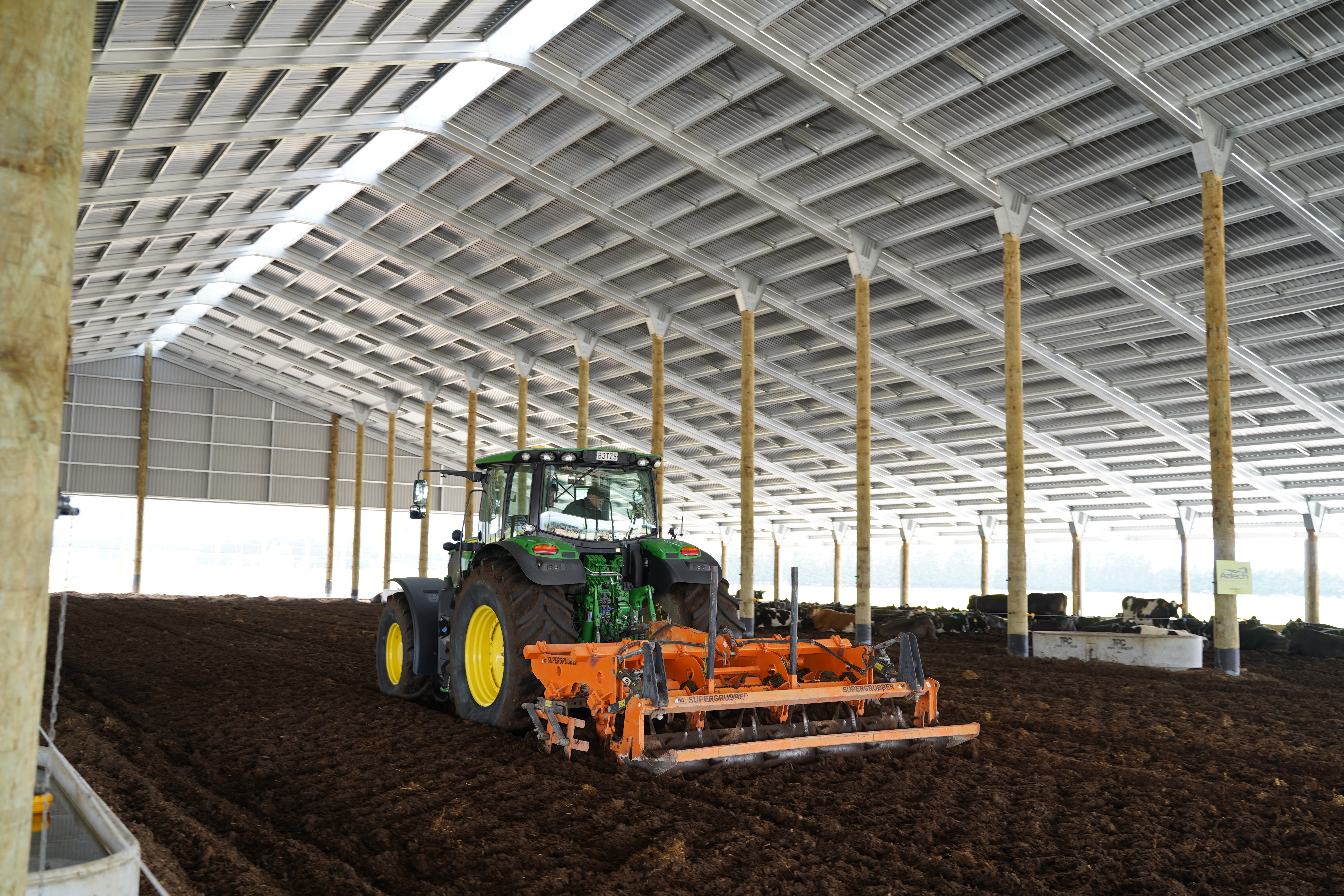
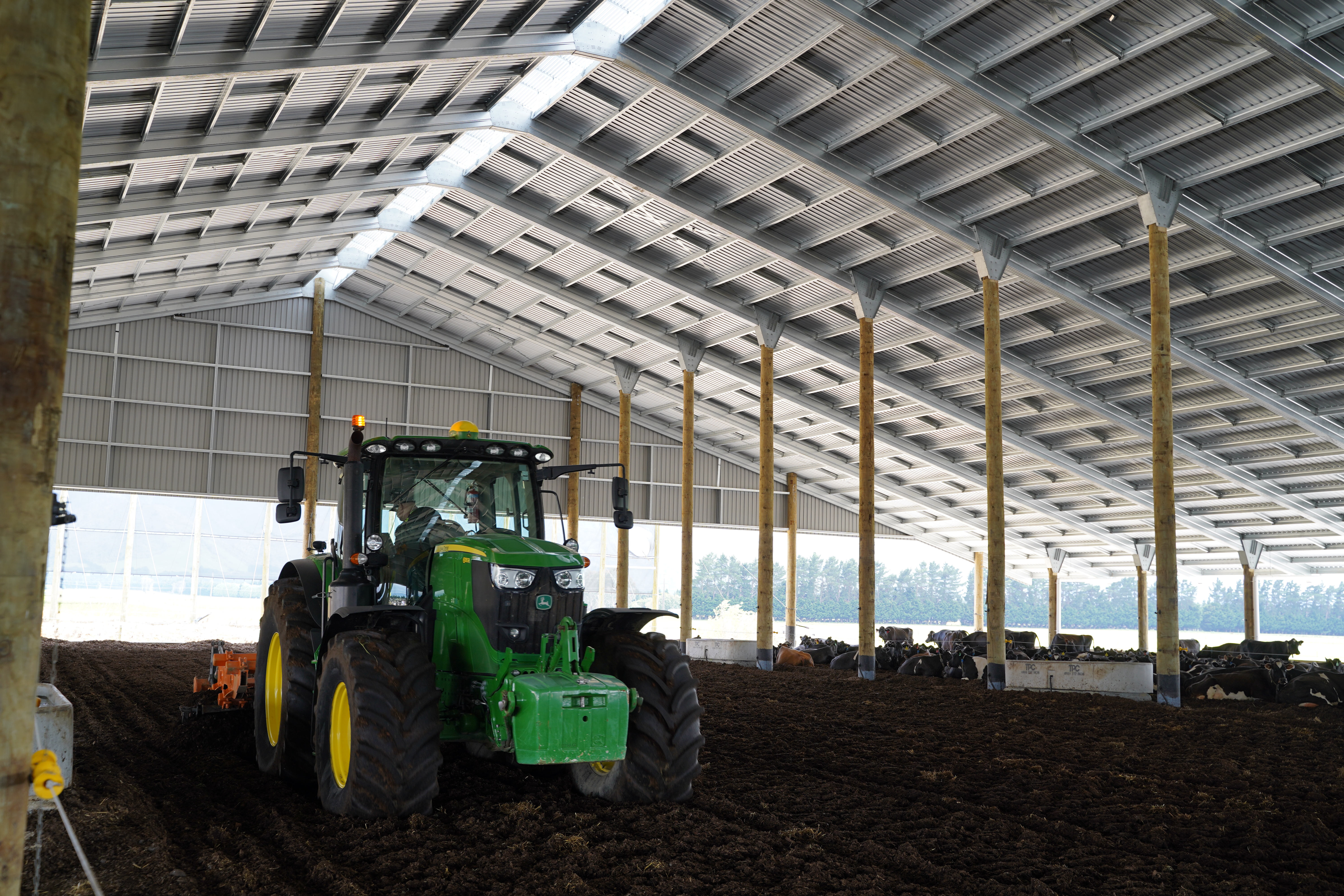
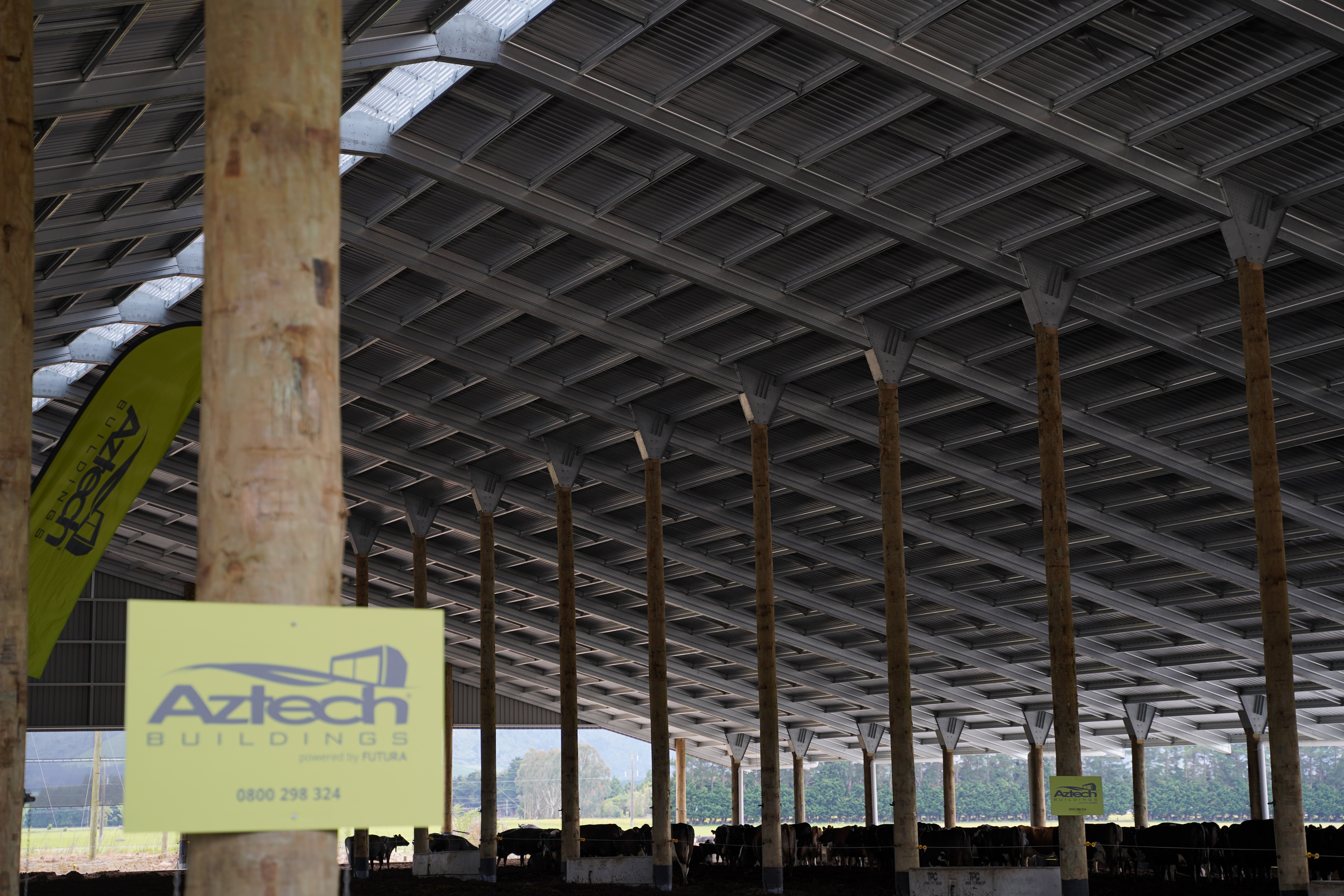
Their solution was a purpose-designed Aztech composting barn capable of housing up to 650 cows.
Creating a Better Wintering System
For the Waka Dairies team, the decision began with a straightforward question: where should they winter their animals?
The options included purchasing additional land or investing in a covered barn system that would provide more control over the existing farm.
They chose a composting barn.
The investment was about more than keeping cows out of the rain. It was an opportunity to improve animal welfare, protect ground conditions, manage the farm’s environmental impact and reduce the seasonal variation affecting daily operations.
“The reason we put this infrastructure in is to control our farming system, look after our animals, look after our ground conditions and manage our environmental footprint.”
Replacing a System That Had Become a Liability
Before constructing the Aztech barn, Waka Dairies had used tunnel-house-style shelters built with canvas covers and supporting poles.
Over time, pressure and fatigue caused the poles to fail. Both shelters eventually had to be completely demolished.
The experience left the business exposed during a critical part of the farming season and highlighted the importance of investing in a durable, permanent structure supported by experienced contractors.
Aztech worked with the Waka Dairies team to provide the building system and installation capability required within the available timeframe.
The result was a more permanent solution, backed by the reassurance that ongoing maintenance and support would be available if required.
“After the build, we’ve had no real issues at all. But I know the team is there, I know where the builder is, and I know we have support around the maintenance and longevity of the building.”
A Simple, Practical Bedding System
Like many farmers operating a composting barn, the Waka Dairies team has continued refining its bedding management as it learns what works best for the farm.
The team has trialled sawdust, woodchip and different combinations of carbon-based bedding materials.
They are now settling on a fine woodchip that sits between traditional woodchip and sawdust.
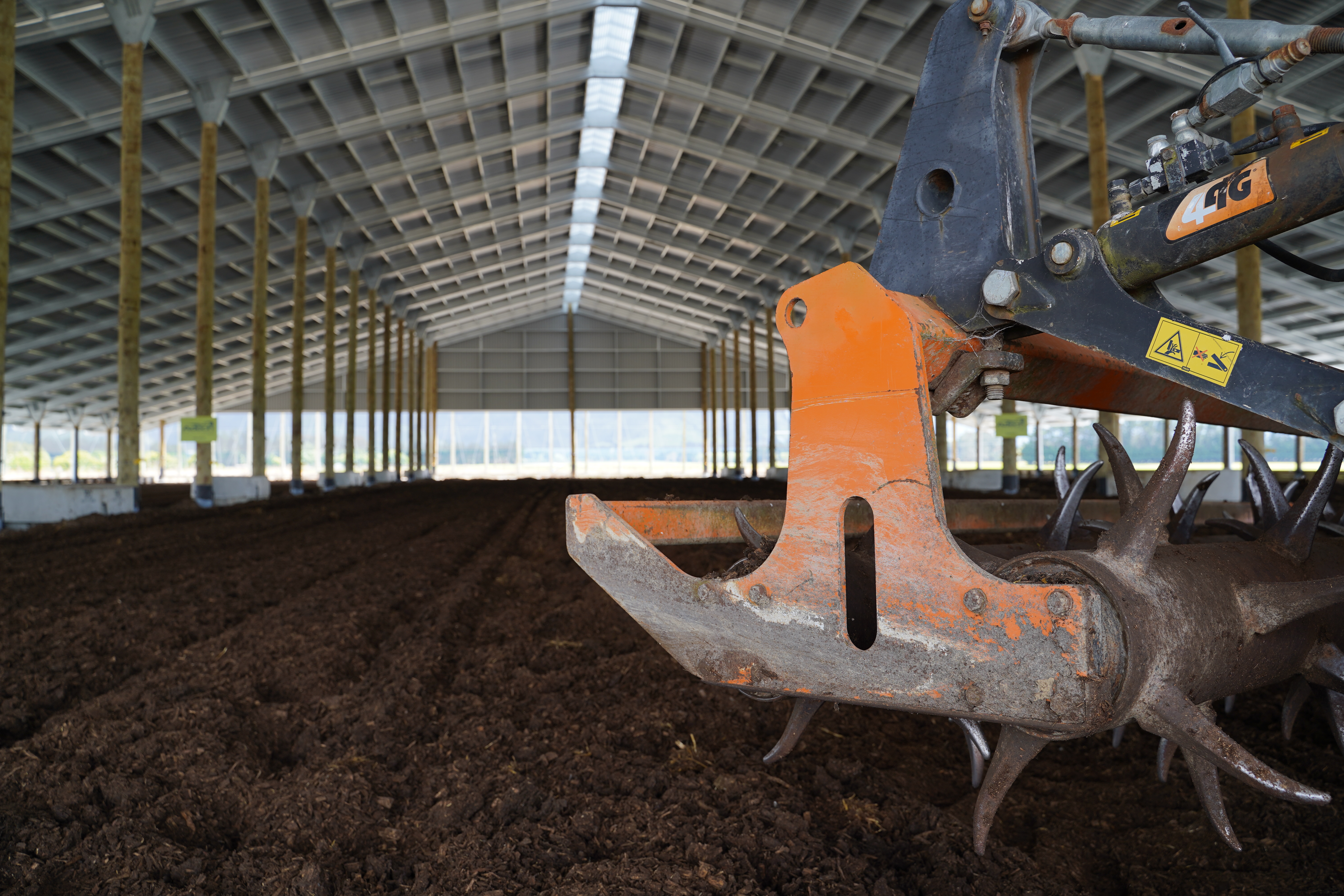
Before winter, the bedding pack is refreshed and topped up. During winter, additional material is generally added around once every two weeks, supported by regular aeration to keep the pack active, comfortable and performing effectively.
The goal is not to create an overly complicated system. It is to maintain the right bedding material, keep it aerated and add fresh carbon when required.
Delivering 30 to 40 kgMS More per Cow
The financial target for the Waka Dairies composting barn was clear.
To repay the investment over approximately ten years, the farm calculated that it needed to produce around 18 kgMS more per cow than its original baseline.
The farm is currently achieving approximately 30 to 40 kgMS more per cow, comfortably ahead of that target.
Much of the return comes from improving the efficiency of feed going into the cow and converting that feed into milk.
When cows are protected from cold, wet and muddy conditions, they expend less energy simply maintaining themselves. The farm can instead direct more of that energy towards productive performance.
More Than a Milk Production Investment
While increased milk production is an important part of the return, the composting barn has created benefits across the wider farming operation.
These include:
Better Cow and Calf Welfare
Animals have access to a dry, protected environment during poor weather rather than standing outside in rain and mud.
Improved Feed Efficiency
Cows expend less energy coping with difficult weather and ground conditions, supporting better conversion of feed into milk.
Protected Pastures
Removing cows from paddocks during wet periods reduces pugging and soil damage, helping protect future pasture performance.
Easier Calving
The ability to calve animals under cover creates a safer, more manageable environment for cows, calves and the farm team.
Labour Savings
Managing animals inside the barn reduces the time and physical effort involved in shifting fences, retrieving calves and working through damaged paddocks.
Greater Seasonal Control
The team has more options during difficult weather and is less exposed to the variability of the season.
Peace of Mind Every Time It Rains
One of the most valuable outcomes has been difficult to measure on a spreadsheet.
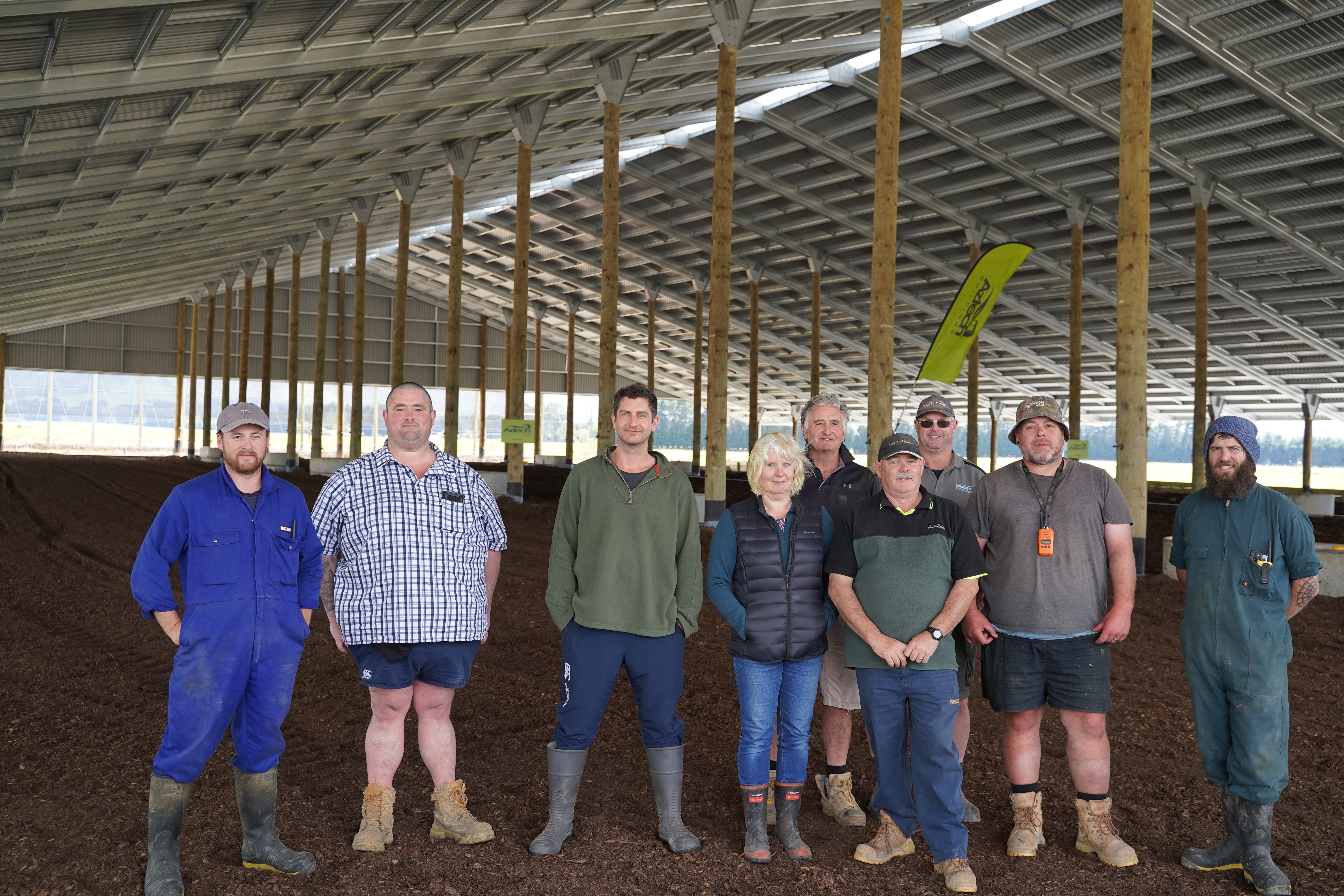
When the weather turns, the Waka Dairies team knows its animals are protected and its paddocks are not being unnecessarily damaged.
“The peace of mind when it’s wet and raining, knowing the animals are being looked after and we’re not damaging the ground, I can’t understate that enough. I feel it almost every time it rains.”
The barn has also helped create a farming system that is less dependent on the owners being involved in every daily decision.
With the right infrastructure and operating tools available, the wider team has greater confidence and capability to manage the farm.
This has allowed the owners to step back from parts of the day-to-day operation and spend more time with family or working strategically on the business.
Watch the Waka Dairies Story
Hear directly from the Waka Dairies team about the journey from unreliable shelters to a purpose-designed composting barn, including the lessons they have learned, the financial performance of the investment and the difference it has made to everyday farm life.
Planning a Composting Barn for Your Farm?
A successful composting barn must be designed around more than a herd number.
Stock flow, bedding management, ventilation, machinery access, feed systems, calving requirements and the way your team operates all influence the right building design.
Talk to Aztech about a purpose-designed composting barn that supports your herd, your land and the long-term performance of your farming system.
Location: Dannevirke, Manawatu-Whanganui
Client: Dairy Farmer
Application: Dairy Farming, Feedpad Cover, Farming, Composting Barns
Reference: C054



.svg)
.svg)