- Home
- /
- Composting Barns
Composting Barns: Healthier Herds, Higher Milk Solids
Trusted By NZ Dairy Farmers For 25+ Years
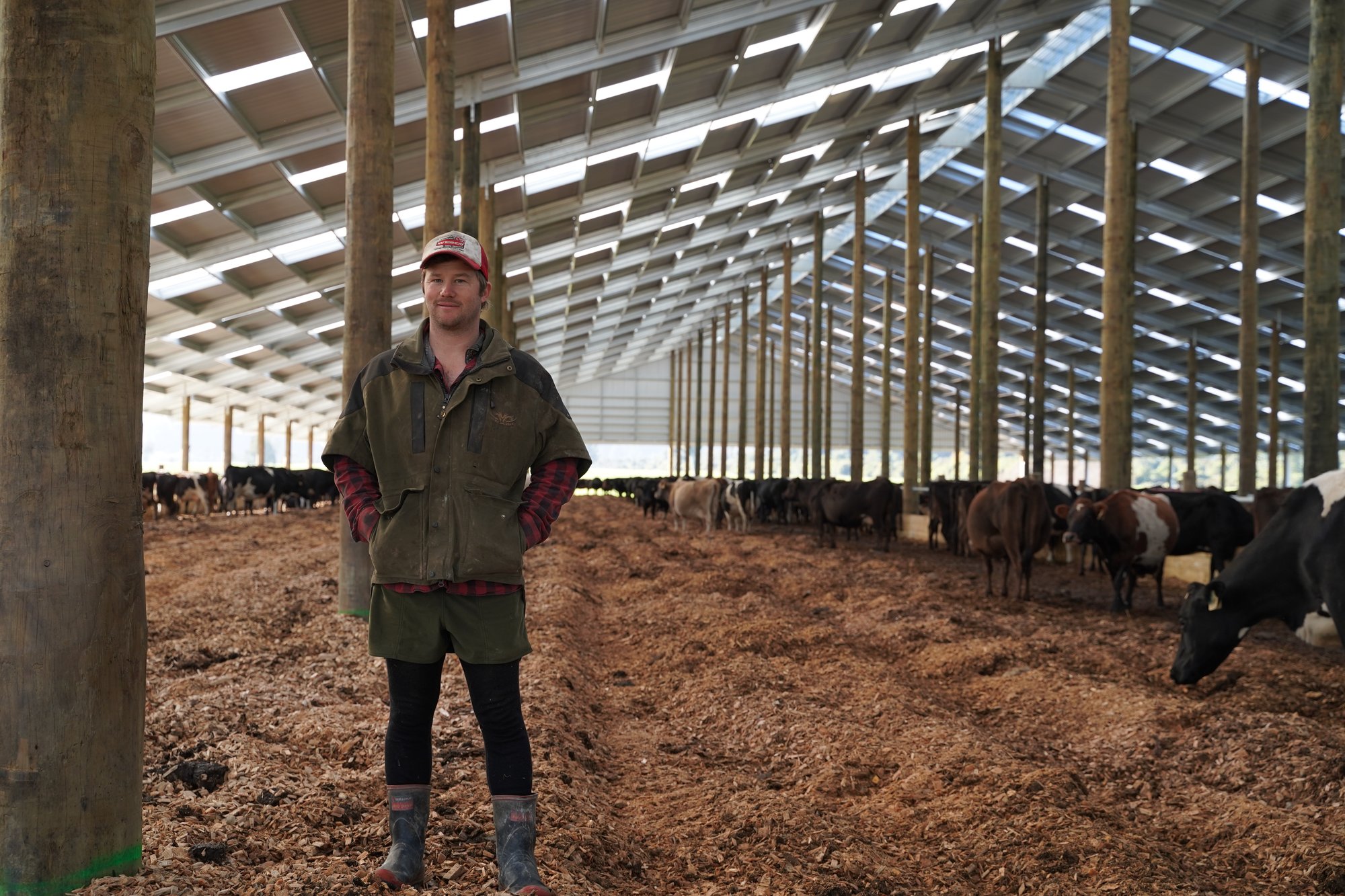
As one of NZ's leading composting barn builders, Aztech keeps dairy herds warm, dry and comfortable year-round, while protecting pasture during wet months. Farmers report six-figure milk solids gains after switching — Tyrone O'Leary banked an extra $300k in milk solids from his Aztech composting barn in Manawatu.
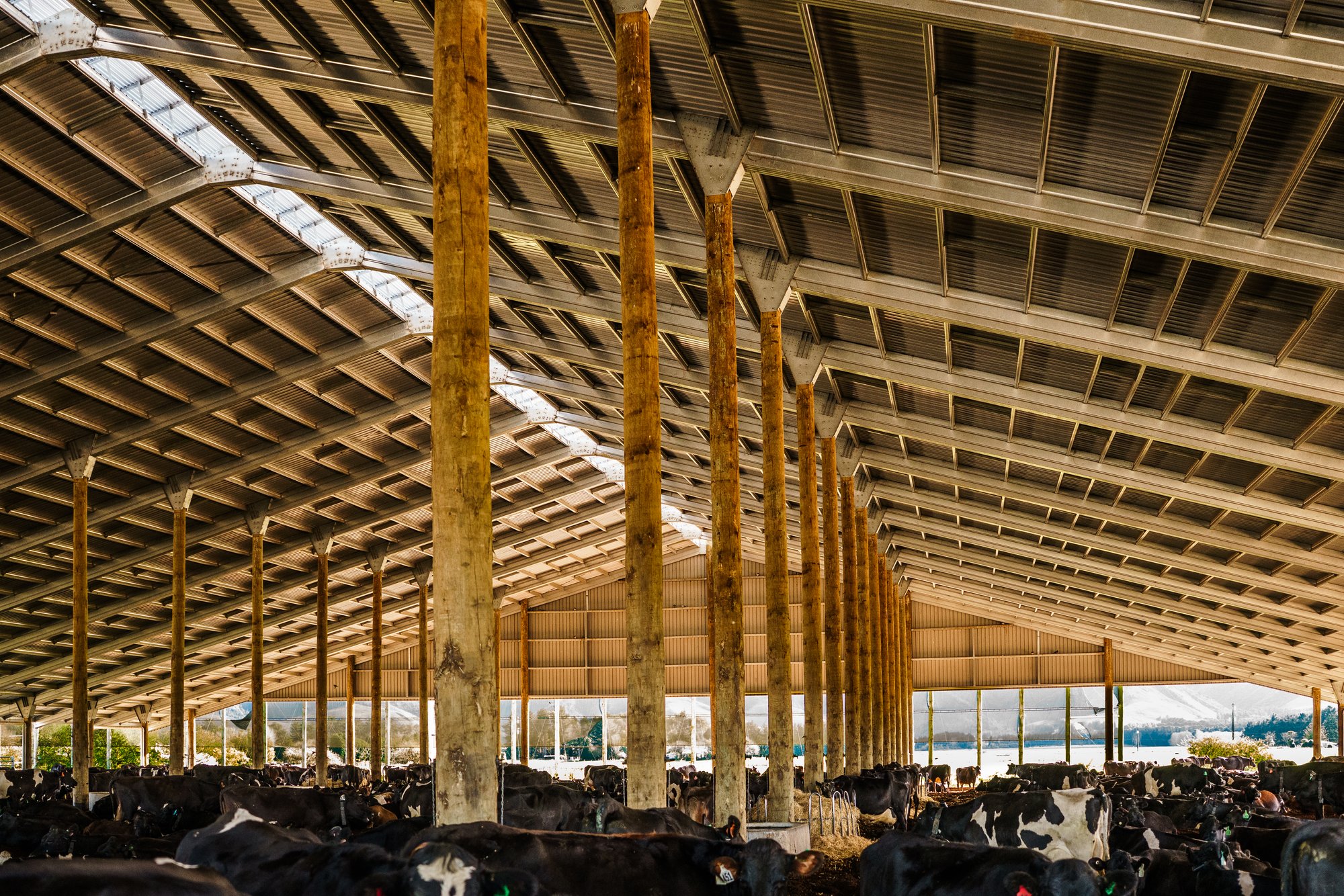
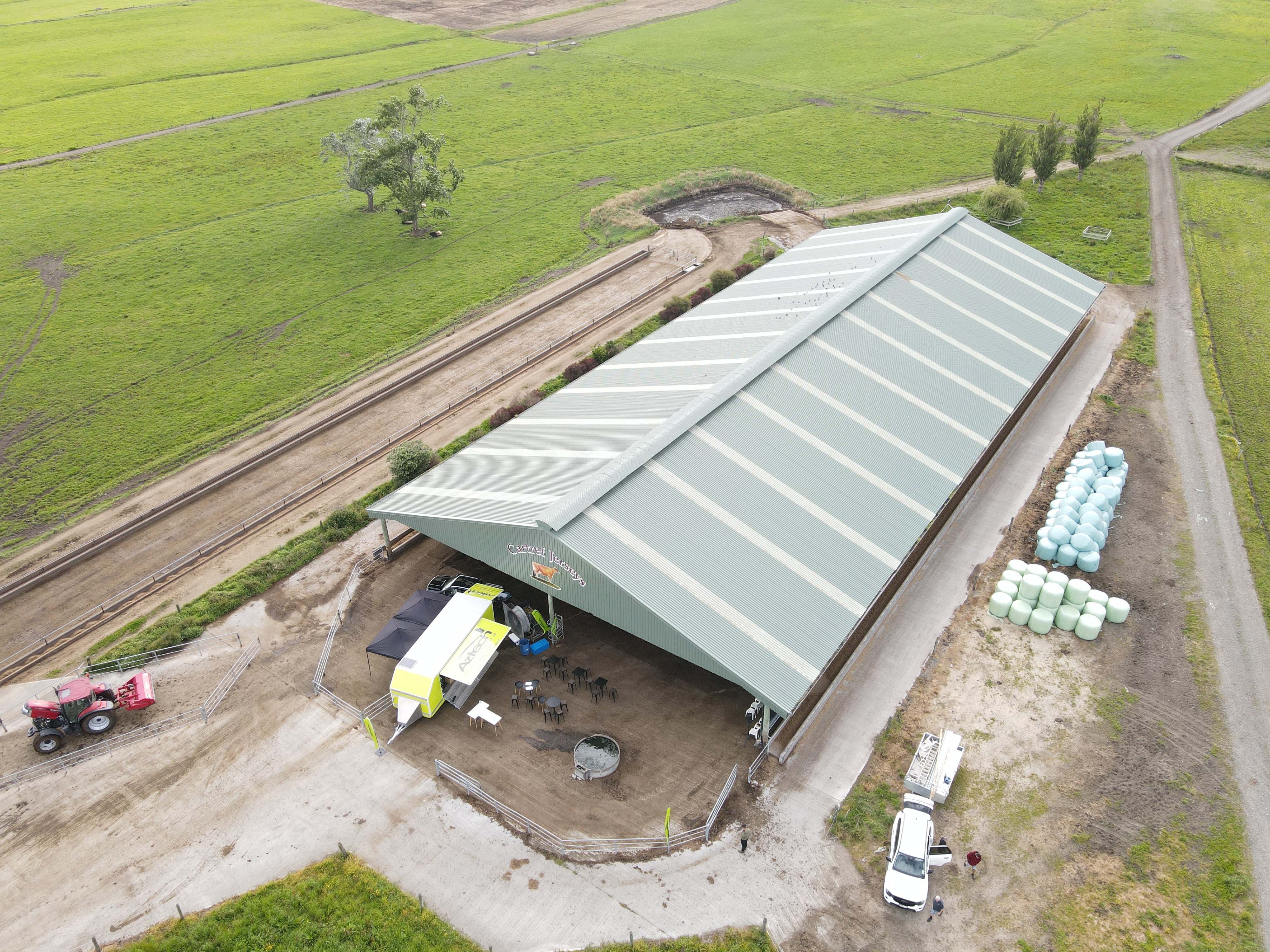
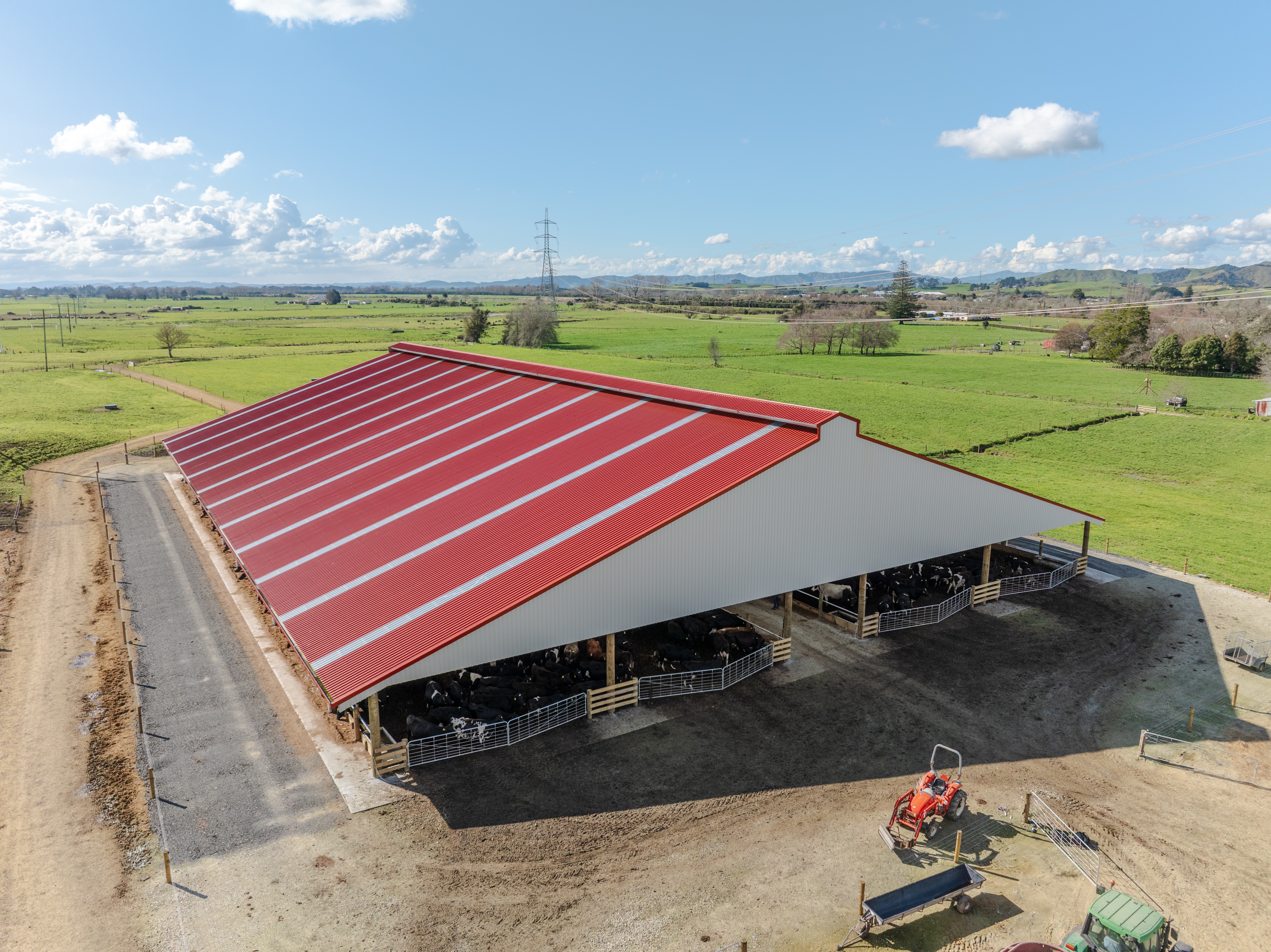
Every Aztech composting barn is built on the Futura Box-Beam clearspan system — a steep-pitched, ridge-vented roof that maximises airflow while staying free of bird perches, protecting your herd from droppings and disease.
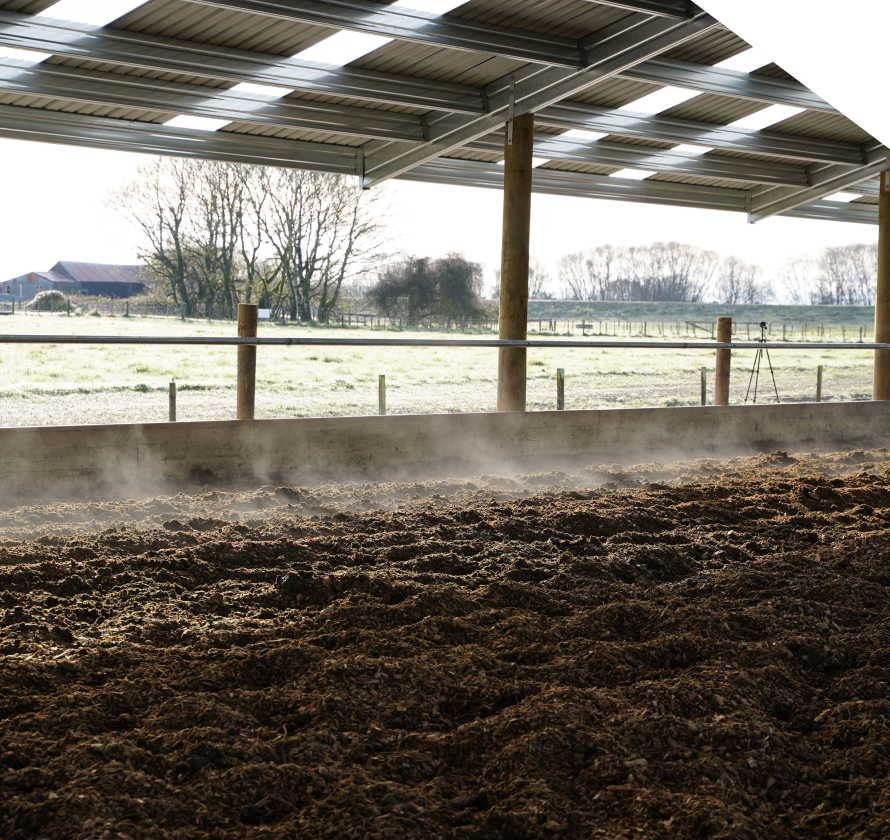
✔ Correct space allowance and 600mm bedding depth keep cows comfortable and bedding composting properly
✔ Daily tilling and ridge ventilation keep bedding dry and barn temperatures under control year-round
✔ Bird-proof roof design protects herd health from contamination and disease
.jpg)

The 7 Must-Haves
for a Healthy, Productive Composting Barn
-
Correct Space Allowance. Gives every cow room to rest, reduces stress, and ensures bedding composts properly.
-
600mm Bedding Depth. Thick organic bedding keeps cows comfortable and supports healthy composting.
-
Daily Tilling. Mixes effluent and bedding to aerate, keep surfaces dry, and maintain cow comfort.
-
Ventilation & Airflow. Steep roof pitch and ridge venting remove moisture, lower barn temperatures, and keep bedding dry year-round.
-
Shade & Sun Protection. Reduces heat stress so cows stay comfortable in every season.
-
Rain Protection for Bedding. Prevents sodden bedding, reducing health risks and keeping cows cleaner.
-
Bird-Proof Roof Structure. Stops contamination from droppings, protecting herd health from disease.
What Makes an Aztech Composting Barn Perform Better
Content, Productive Cows
Relaxed, low-stress herds settle faster in a purpose-built composting barn, supporting more consistent milk production.
Natural Light and Shade
Keeps the barn bright and well-ventilated while reducing heat stress through summer.
Right Space Per Cow
Optimised area per animal supports lying comfort, healthier bedding, and better welfare outcomes.
Protection From the Elements
Overhangs and cladding keep bedding dry and comfortable in all conditions, year-round.
Smart Roof Design
Steep pitch and ridge venting maximise airflow, controlling barn temperature, moisture and odour.
Get our free Composting Barn Guide — real farm results and practical design tips
-1.png)
Case Study
Waka Dairies
Dannevirke, Manawatū-Whanganui
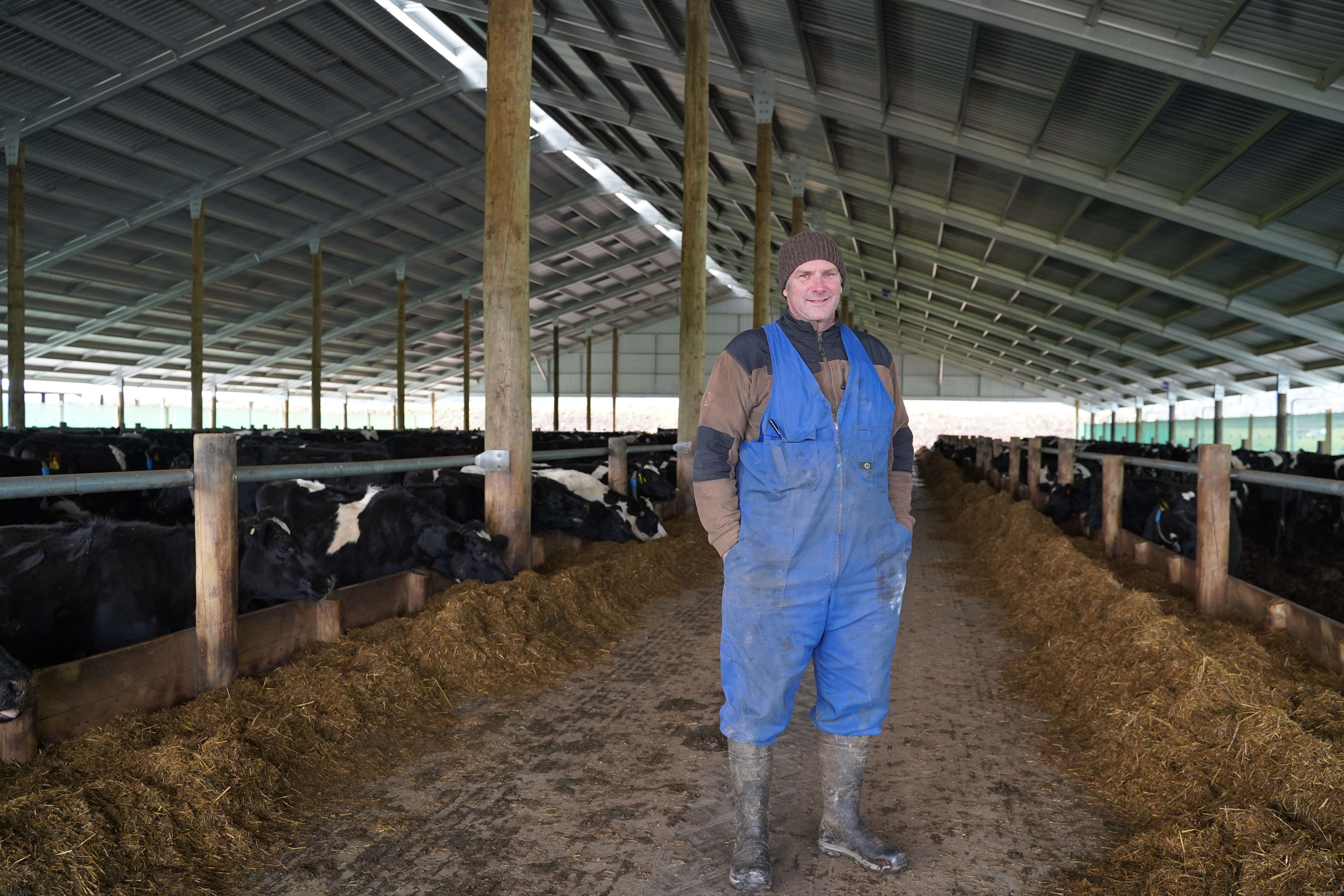
After storm damage destroyed their previous shelters, Waka Dairies rebuilt with a 90m x 60m Aztech Gable Stratos composting barn housing 650 cows, and now sees 30–40kgMS more per cow than their original 18kgMS ten-year payback target.
See how Waka Dairies turned storm damage into a 30–40kgMS per cow gain

Case Study
Frano Volckman
Karamea, West Coast, NZ
Frano's composting barn houses 650 cows, keeping them warm in winter and cool in summer while maximising herd productivity. It also protects pasture during wet months, giving his team room to grow more crops on farm.
See how Frano Volckman's composting barn protects 650 cows and grows more crops

Frequently Asked Questions
What is a composting barn and how does it work?
A composting barn houses cows on a deep bed of organic material, usually sawdust or woodchip, that's tilled daily to aerate it. The tilling process composts effluent in place, keeping bedding dry and cows clean while producing usable compost for pasture.
Do composting barns really increase milk solids?
Some farmers report significant gains, including Tyrone O'Leary ($300k in milk solids) and Vos Farms ($160k), though results depend on farm, herd and management.
How much does a composting barn cost in NZ?
Cost depends on herd size, barn dimensions and site conditions, so pricing is scoped per farm. As NZ composting barn builders with 25+ years' experience, Aztech works through design and budget with you before committing to a build, most farmers see payback within a few seasons through feed, welfare and production gains.
What's the difference between a composting barn and a feedpad cover?
A composting barn is a full housing system where cows rest, feed and are bedded on composting material. A feedpad cover shelters an existing feeding area from rain and sun without providing bedding or full-time housing. Farms often use feedpad covers as a lower-cost first step before investing in a composting barn.
What's the difference between a wintering barn and a composting barn?
Wintering barns and loafing barns are typically seasonal shelters that keep cows off wet pasture over winter. A composting barn is built for year-round use, with active bedding management that composts effluent as cows use it giving ongoing welfare, effluent and production benefits beyond winter alone.
What bedding depth do I need for a composting barn?
Aztech recommends 600mm of organic bedding depth, deep enough to support healthy composting while keeping cows clean and comfortable.

More Aztech Composting Barn Projects
A closer look at how other NZ dairy farms are using composting barns to lift production and protect their herds.