Dairy farmers in New Zealand are increasingly choosing composting barns to better manage effluent, protect pasture during rainy winters, and enhance cow comfort.
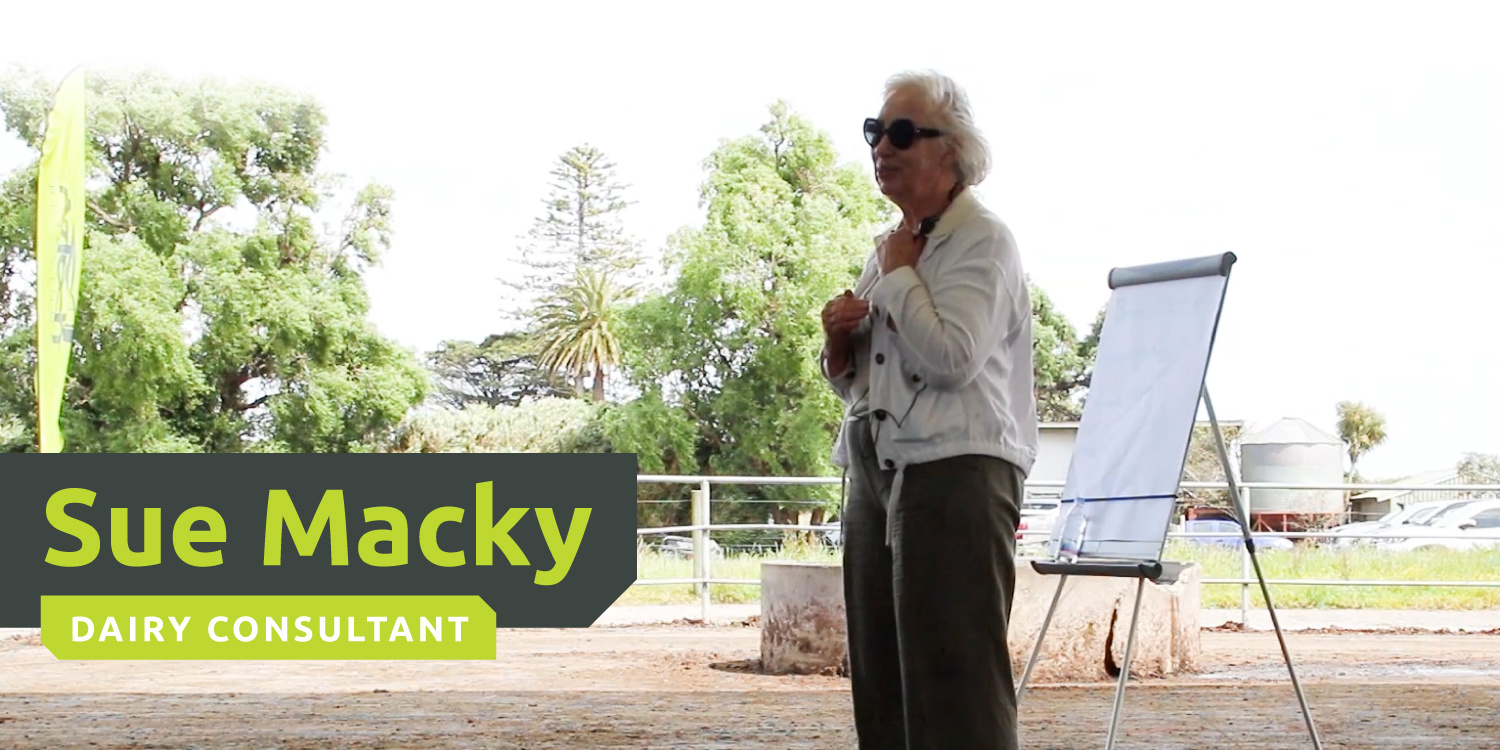
Dr. Sue Macky, a clinical veterinarian and consultant in the fields of dairy cow feeding, management, and welfare, addressed 23 of the most common questions farmers have about composting barns during an Aztech Buildings open day. These questions ranged from bedding and design to cow health and environmental impact.
Q1-8: Composting Barns and Bedding
Q1 What is a composting barn for cows?
Q2 What material is suitable for composting?
Q3 What's the composting barn process?
Q4 Depth of compost bedding, how deep to aerate, how to get oxygen into the bedding?
Q5 Should the composting process be started before I put cows into the barn?
Q6 What's the recommended frequency of tilling a composting barn?
Q7 How to maximise lifespan of composting barn bedding?
Q8 What is the correct temperature of composting barn bedding?
Q9-13: Increase Milk Production and Cow comfort with composting barns
Q9 How does a lying-down cow produce more milk than a cow standing up and what is the impact on feed conversion efficiency and milk production?
Q10 What is the optimum lying time for a cow per day? and what is the impact on milk production if this changes?
Q11 How will a composting barn impact feed conversion efficiency? How to feed my cows well enough?
Q12 Will a cow barn cure all my problems? How to reduce farmer stress in crappy weather?
Q13 Is a cow barn a magic fix? Do I need to get other parts of my farm system right as well?
Q14-20 Composting Barn design and management
Q14 Should I build the cheapest roof over my cows?
Q15 Do cows really breathe out up to 30L of hot water vapour per day and what is the impact on roofs over cows?
Q16 What temperature is optimum in the cow barn? Is it true, uncomfortably cold for humans is comfy for cows?
Q17 What is the common problem with cow barn building design in NZ?
Q18 What is the optimum cow mob size in paddock and in cow barns and understanding the social behaviour of cows?
Q19 What is the minimum and optimum area/ m2 per cow for composting barns?
Q20 What is the optimum feed-face or space per cow when feeding? And importance of feed rail location?
Q21-23 Cow Health and environmental impacts of Composting Barns
Q21 Does heat from composting kill pathogenic bugs? E. Coli in compost barn vs in-paddock?
Q22 What are the environmental impacts of composting barns? How to improve carbon footprint considering greenhouse gases, leaching nitrogen and N-loss?
Q23 How does 'Cartref Jerseys' prevent mastitis in a composting barn? And how often to replace the bedding?
Composting barns and bedding
Q1 What is a composting barn for cows?
In addition to offering a comfortable environment and an effluent management system that can be used as fertiliser in the future, composting barns are made to let cows roam freely in a sizeable, bedded area where organic material is composted.
|
Q2 What material is suitable for composting?
Wood shavings, sawdust, sand, and other organic materials that aid in the composting process are appropriate materials for composting barn bedding.
|
Q3 What's the composting barn process?
A composting barn provides the ideal environment for raw bedding material to turn into compost through a natural biological process, storing carbon and using nitrogen to evaporate moisture, so the bed stays dry while it breaks down.
|
Q4 Depth of compost bedding, how deep to aerate, how to get oxygen into the bedding?
Both cow comfort and composting efficiency depend on proper aeration. Using the appropriate technique for your setup, the bedding must be positioned at a depth that allows oxygen to pass through completely.
|
Q5 Should the composting process be started before I put cows into the barn?
It's beneficial to start the composting process before introducing cows to the barn, so the bedding is already active and properly managed from day one.
|
Q6 What's the recommended frequency of tilling a composting barn?
Regular tilling of the composting bedding is recommended to maintain optimal conditions and keep pathogens like E. coli under control.
|
Q7. How to maximise lifespan of composting barn bedding?
The key to extending the bedding's life is effective management. When done correctly, it pays off in terms of cow comfort and cost-effectiveness.
|
Q8 What is the correct temperature of composting barn bedding?
Monitoring and maintaining the correct bedding temperature is crucial for composting barn bedding, driving strong microbial activity and keeping cows comfortable.
|
| |
Increase milk production and Cow comfort with composting barns
Q9 How does a lying-down cow produce more milk than a cow standing up and what is the impact on feed conversion efficiency and milk production?
Cows that are more comfortable and lie down more frequently tend to yield more milk and convert feed more effectively.
|
Q10 What is the optimum lying time for a cow per day? And what is the impact on milk production if this changes?
Optimal lying time per day is directly linked to milk production. Changes in lying behaviour can be an early sign that milk yield is about to shift too.
|
|
Q11 How will a composting barn impact feed conversion efficiency? How to feed my cows well enough?
A composting barn can improve feed conversion efficiency by giving cows a more comfortable environment and supporting better day-to-day management.
|
Q12 Will a cow barn cure all my problems? How to reduce farmer stress in crappy weather?
A composting barn can take a lot of the stress out of bad weather, making day-to-day farm management easier and more efficient.
|
Q13 Is a cow barn a magic fix? Do I need to get other parts of my farm system right as well?
While beneficial, a composting barn isn't a standalone fix. It works best as one part of a well-managed farm system.
|
| |
Composting Barn design and management
|
Q14 Should I build the cheapest roof over my cows?
Dr Macky advises against simply choosing the cheapest roof for your cows. A well-designed roof plays a crucial role in maintaining the right conditions inside a composting barn.
|
Q15 Do cows really breathe out up to 30 L of hot water vapour per day, and what is the impact on roofs over cows?
Because cows can expel up to 30 litres of hot water vapour per day, the barn's roof is impacted by this moisture load, which is why appropriate ventilation and roofing design are crucial.
|
Q16 What temperature is optimum in the cow barn? Is it true uncomfortably cold for humans is comfy for cows?
Cows are comfortable at temperatures that can feel cold to humans, which is why barns need to be designed around animal comfort to get the best out of cow comfort and milk production.
|
Q17 What is the common problem with cow barn building design in NZ? (roof pitch too flat, eaves too low, space per cow, wrong type of roof, greenhouse roofs are plants)
Common design issues in NZ composting barns come down to roof pitch, eave height, and overall space per cow, and any of these can affect how well the barn functions and how comfortable cows are in it.
|
Q18 What is the optimum cow mob size in a paddock and in cow barns, and understanding the social behaviour of cows?
Understanding cow social behaviour is important. Getting mob size right in both paddock and barn settings can improve welfare and productivity.
|
Q19 What is the minimum and optimum area/ m2 per cow for composting barns?
Dr Macky covers the minimum and optimum area per cow for a composting barn, which is essential for promoting cow health and welfare.
|
Q20 What is the optimum feed face or space per cow when feeding? And the importance of feed rail location?
Optimal feed-face space per cow, along with the right feed rail location, is critical for efficient feeding and good cow welfare.
|
Cow health and environmental impacts of Composting Barns
Q21 Does heat from composting kill pathogenic bugs? E. Coli in compost barn vs in-paddock?
The heat generated through composting helps eliminate pathogens like E. coli more effectively than a traditional paddock environment does.
|
Q22 What are the environmental impacts of composting barns? How to improve carbon footprint considering greenhouse gases, leaching nitrogen and N-loss?
Improved barn design and management practices play a key role in addressing greenhouse gas emissions and nitrogen leaching.
|
Q23 How does 'Cartref Jerseys' prevent mastitis in a composting barn? And how often to replace the bedding?
Case studies like Cartref Jerseys show successful strategies for preventing mastitis through good bedding management in a composting barn.
|



.svg)
.svg)